The Sacrifice of Prayer
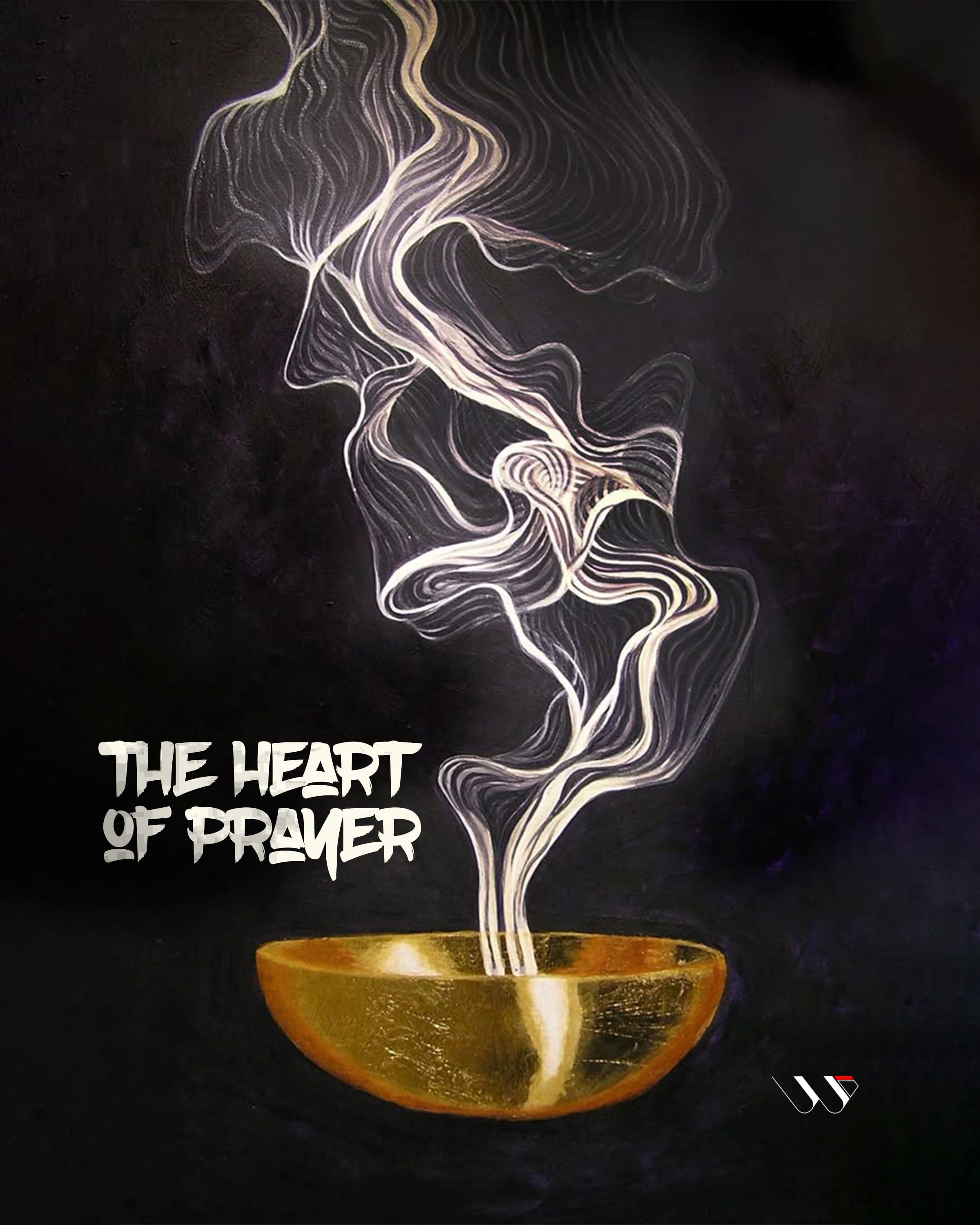
Prayer does not end with a prepared heart (altar); it is accepted as a perfected sacrifice. “Let my prayer be set forth before thee as incense; and the lifting up of my hands as the evening sacrifice” (Psalm 141:2). Prayer is more than words spoken—it is an offering presented to God: “Let the words of my mouth, and the meditation of my heart, be acceptable in thy sight, O LORD” (Psalm 19:14). When we approach God in prayer, as rendering offerings, we will not speak merely, but we will present ourselves deliberately.
Prayer, in its truest form, is not casual conversation; it is a revered exchange that requires order, reverence, and purpose. After the order of the preparation of the altar, the order of the presentation of the sacrifice follows. Every sacrifice in Scripture was offered according to divine instruction, so also our prayers must follow spiritual order. Just as no meaningful meal is prepared carelessly, no effective prayer is offered randomly. Our prayers must be rightly arranged, seasoned, and presented according to God’s pattern.
First, our prayers must be cooked in the Word. The Word of God is the primary ingredient—it is the substance that gives prayer legitimacy and authority. Without it, prayer becomes emotional speech rather than spiritual engagement. God only responds to what He has already spoken. As the prophets wrote of Elijah, “He put the wood in order” (1 Kings 18:33). The Word is that wood. It fuels our requests, aligns our desires, and ensures we are praying according to His will (1 John 5:14). Prayer without Scripture is like cooking Jollof rice without rice—the main ingredient.
Next, our prayers must be spiced with faith. Faith is the seasoning that activates the sacrifice. Knowledge alone is not enough; belief is what makes prayer effective. Scripture says, “Without faith it is impossible to please God” (Hebrews 11:6). Faith adds flavour to prayer—it turns information into expectation and hope into assurance. When faith is absent, prayer becomes religious routine. “The word preached did not profit them, not being mixed with faith in them that heard it” (Heb.4:2), but when faith is present, prayer becomes a declaration of trust in God’s integrity.
Then, our prayers must be garnished with thanksgiving. Thanksgiving is not an afterthought; it is an essential spiritual ingredient that completes the offering. Gratitude acknowledges God’s faithfulness before the answer arrives. The Bible instructs us to make our requests known “with thanksgiving” (Philippians 4:6). Thanksgiving seasons our prayer with honour, humility, and confidence. It shifts our focus from what is lacking to what God has already done, releasing peace and strengthening faith.
Our prayers must also be sweetened with forgiveness. Bitterness contaminates the sacrifice. Jesus taught that unresolved offence blocks spiritual access: “When you stand praying, forgive” (Mark 11:25). Forgiveness purifies the heart and keeps the altar clean. Just as no chef serves a meal with spoiled ingredients, God does not accept prayers mixed with unforgiveness. A heart free from offence towards God and toward men (Acts 24:16) allows prayer to rise as a pleasing aroma.
Finally, our prayers must be served on the plate of righteousness. Righteousness refers to the post-altar condition after restoration. “The effectual, fervent prayer of a righteous man avails much” (James 5:16). Righteousness does not imply perfection, but right standing with God: “having done all, to stand” (Eph. 6:13). It is the foundation that supports every spiritual offering. Without it, even “well-prepared prayers” cannot ascend to heaven. Having done all these, when our prayers rise as sweet-smelling savour, a sacrifice acceptable, well-pleasing to God, He delights to answer.
In the end, the true evidence of answered prayer is not always the immediate change of our circumstances, but the divine work God performs within us. When the sacrifice is rightly prepared and offered from a pure heart, fire surely falls. Yet this fire does not only consume the offering; it refines the altar. “For our God is a consuming fire” (Hebrews 12:29), and His fire first burns away doubt, fear, pride, and fleshly desires before it transforms our situation. The greatest miracle of prayer is not merely what God does for us, but what He does in us. As the fire changes the nature of the sacrifice, so divine response reshapes our hearts, aligning us more deeply with His will. Continued…





Comments
Please log in to comment.