Faith and Good Works
Good works were never meant to replace faith—they were meant to reveal it. Many people try to interchange the two, as though faith belongs only to the heart and good works to effort. Which is why they do random good deeds with the hope that it will be counted for righteousness. Good deeds do not culminate in good reports. Philanthropy will never replace generosity. Service does not always mean submission. Morality cannot substitute for holiness.
Action is not a substitute for faith, just as faith is not a substitute for works. But in God’s design, the two are inseparable. True faith is not passive belief; it is living conviction. It moves. It responds. It expresses itself. Where faith is genuine, good works naturally follow. “For by it (faith) the elders obtained a good report” (Hebrews 11:2).
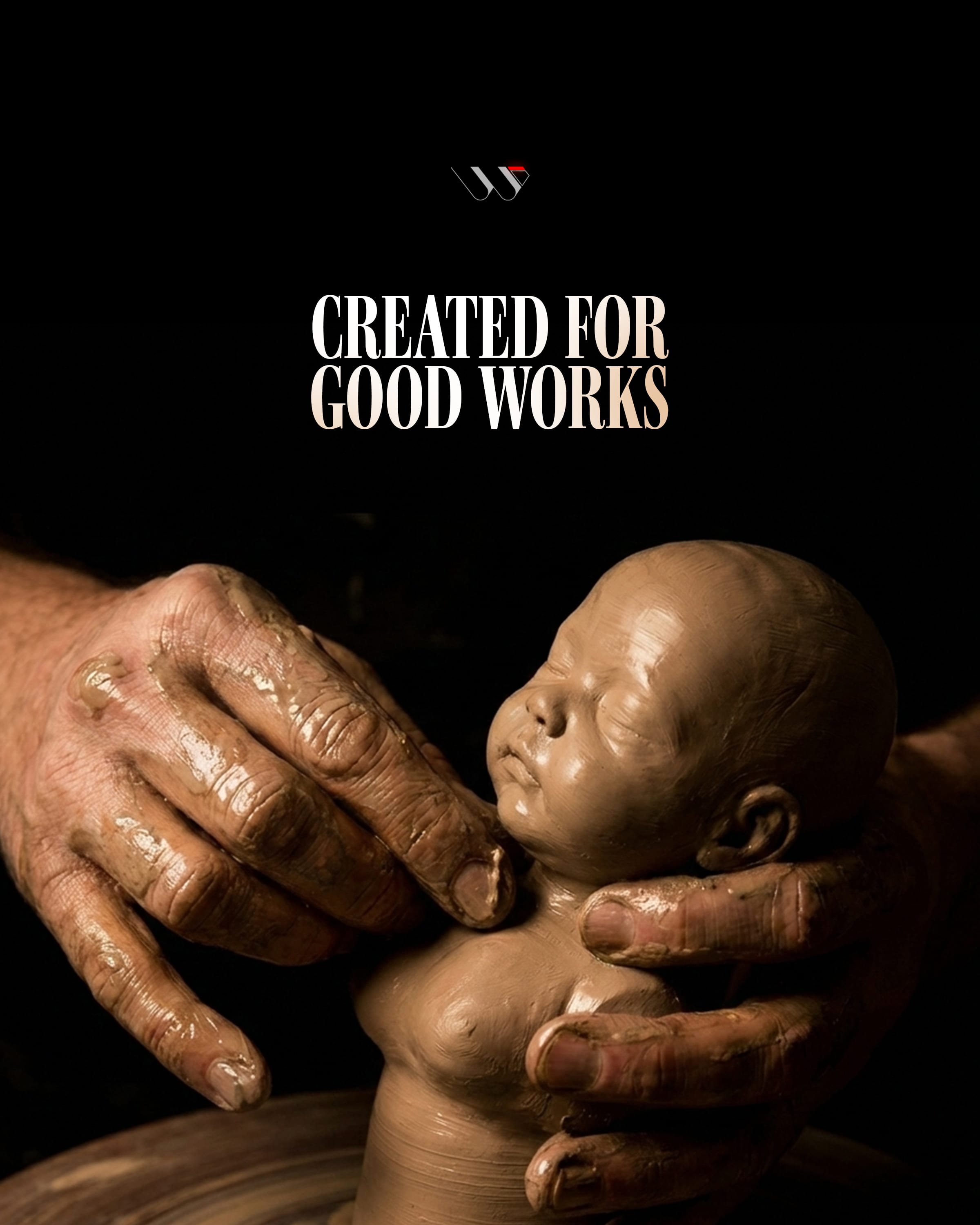
Scripture is clear from the beginning that salvation is not earned by works, yet it never leaves us without them. “For by grace are ye saved through faith; and that not of yourselves: it is the gift of God: not of works, lest any man should boast. For we are His workmanship, created in Christ Jesus unto good works, which God hath before ordained that we should walk in them” (Ephesians 2:8–10). We are not saved by good works, but we are saved unto good works. Good works are not the root, but they are the fruit.
God first changes our nature, then our nature changes our actions. When a man truly believes, his life cannot remain the same. Faith is an invisible force—trust in an invisible God—but with visible works and visible results. James, in his epistle, corrected the notions of inaction on the subject of faith: “Even so faith, if it hath not works, is dead, being alone… shew me thy faith without thy works, and I will shew thee my faith by my works” (James 2:17–18).
Faith that does nothing is fantasy—it is only an opinion. The Living Word always produces living faith, one that moves, grows, and reproduces. Throughout Scripture, every person who trusted God demonstrated that trust through action. Their faith was not theoretical. It worked. It moved their feet. It shaped their decisions. It cost them something. Faith that costs nothing accomplishes nothing.
By faith, Noah built an ark (Hebrews 11:7).
By faith, Abraham obeyed and went out, not knowing where he was going (Hebrews 11:8).
By faith, Moses chose affliction with God’s people (Hebrews 11:24–25).
This is why we must prepare our way before the Lord, as Jotham did (2 Chronicles 27:6). His Word is not just teaching us what to believe; anyone can choose to believe just anything. God is shaping us into people who do what the Word says. The Word trains us, corrects us, and matures us so our faith becomes active and productive. “All scripture is given by inspiration of God… that the man of God may be perfect, thoroughly furnished unto all good works” (2 Timothy 3:16–17). Good works, therefore, are not religious activities we perform to look spiritual. They flow from a mind that thinks like Christ.
In the end, the goal is simple: to become believers whose actions preach louder than our words — people who not only talk about God, but whose actions consistently reflect Him. People shaped by faith so much that doing good becomes natural, not mechanical. Jesus said, “A good man out of the good treasure of his heart bringeth forth that which is good…” (Luke 6:43–45). And faith is such good treasure. Peter describes it as precious: “That the trial of your faith, being much more precious than of gold that perisheth…” (1 Peter 1:7). Apostle Paul prayed this for the church: “That ye might walk worthy of the Lord… being fruitful in every good work” (Colossians 1:10). This is the life faith produces. When faith is alive, good works are visible.
Continued…



Comments
Please log in to comment.